
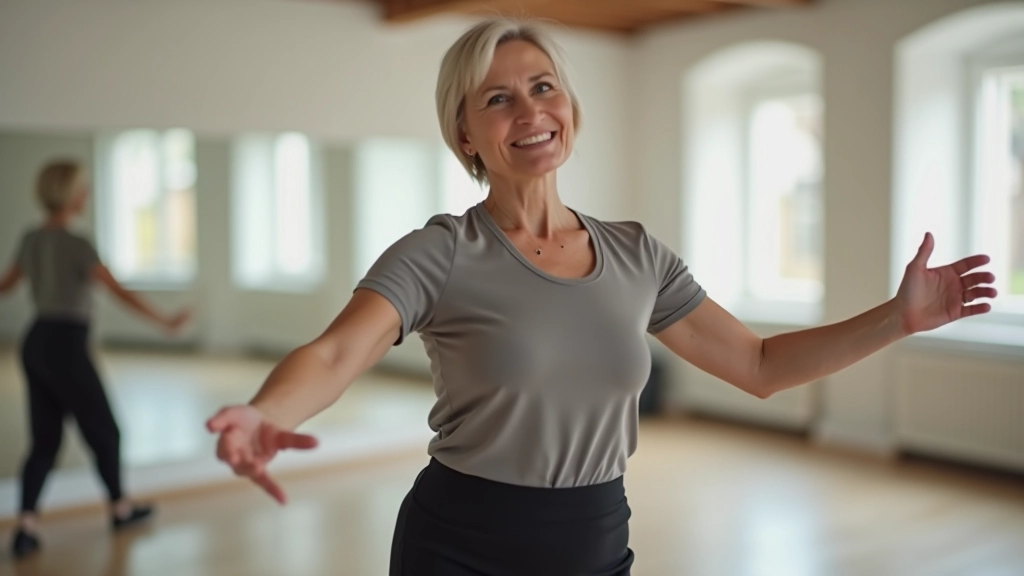
Getting Started With Partner Dancing at 50+
Everything you need to know about finding a dance partner, choosing the right class, and building confidence on the dance floor.
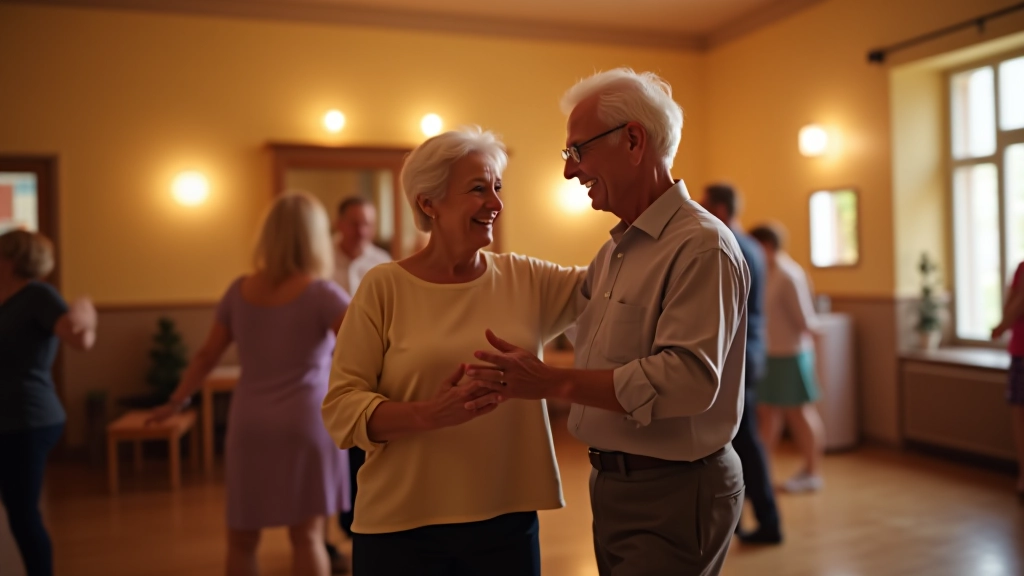
Why Partner Dancing Works for You
Starting something new at 50 can feel intimidating. But here's the thing — partner dancing isn't about being young or naturally coordinated. It's about moving together with someone else, and that's something you can absolutely learn.
Partner dances like bachata, waltz, and salsa have been around for decades because they work. You'll build confidence, meet people, and stay active without it feeling like exercise. Most importantly, you're not doing this alone. Your partner is right there with you.
Finding the Right Partner
You don't need to walk in with a dance partner already picked out. Many classes and community centres in Latvia pair people up, or you can ask around at local dance groups. The key is finding someone patient who's also just starting out.
Look for a partner who's committed to showing up regularly. Even two hours a week together makes a huge difference. You'll develop a rhythm together, understand each other's movements, and actually enjoy the process. That connection matters more than matching height or experience.
Pro tip: Don't worry about height differences. Good technique works regardless. The lead's frame and the follower's connection are what really matter.
Choosing Your First Class
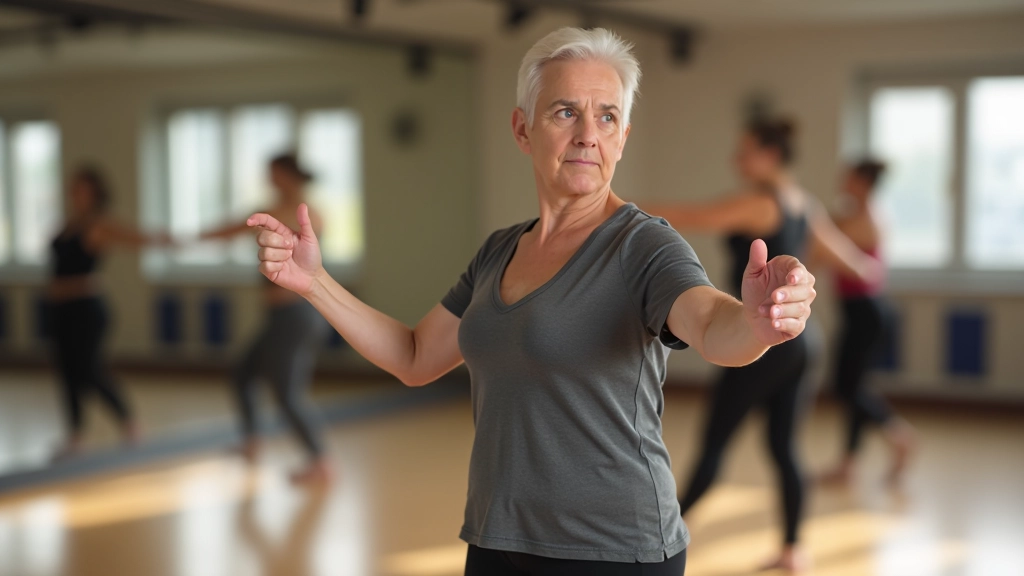
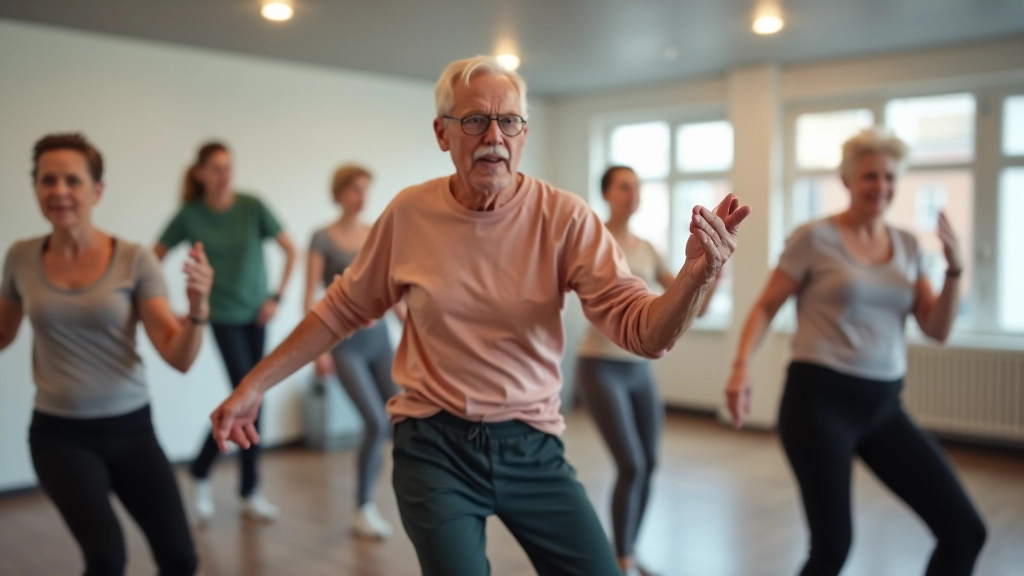
Rīga and other Latvian cities have excellent options for beginners. Look for classes specifically labeled "absolute beginners" or "50+" groups. These aren't fancy — they're just slower paced and designed for people building fundamentals.
Most classes run 60 to 90 minutes. You'll spend the first 15 minutes on basic steps, then practice with your partner, and often end with a full song to put it all together. Don't expect to be smooth immediately. That's totally normal.
What to expect:
- Week 1-2: Basic step patterns and frame
- Week 3-4: Adding turns and simple combinations
- Week 5-6: Connecting movement with music
- Week 7-8: Dancing to actual songs with confidence
Important note: This guide is informational and educational. If you have any health concerns, mobility issues, or physical limitations, consult with your doctor before starting a dance program. Dance instructors can adapt movements, but professional medical advice should always come first.
Building Your Confidence
The first few weeks are the hardest. You're thinking about your feet, your partner's feet, the music, and whether you're doing it right. That mental overload is real, but it passes.
By week three or four, your body starts remembering the steps without you thinking about them constantly. Suddenly you can listen to the music instead of counting. You can actually feel your partner's lead instead of just reacting. That's when it clicks, and dancing becomes fun instead of stressful.
Talk to your instructor about your nerves. They've seen hundreds of beginners walk in feeling exactly like you do. Good instructors know how to build confidence gradually — they'll celebrate small wins and never make you feel rushed.
The Technical Side: What You'll Learn
Partner dancing breaks down into three core elements. First, there's the step pattern — the basic footwork that gives the dance its character. In bachata, you're moving side-to-side with a hip movement. In waltz, it's a forward-back-side pattern with rise and fall. These patterns repeat, and once you've got them, you've got the foundation.
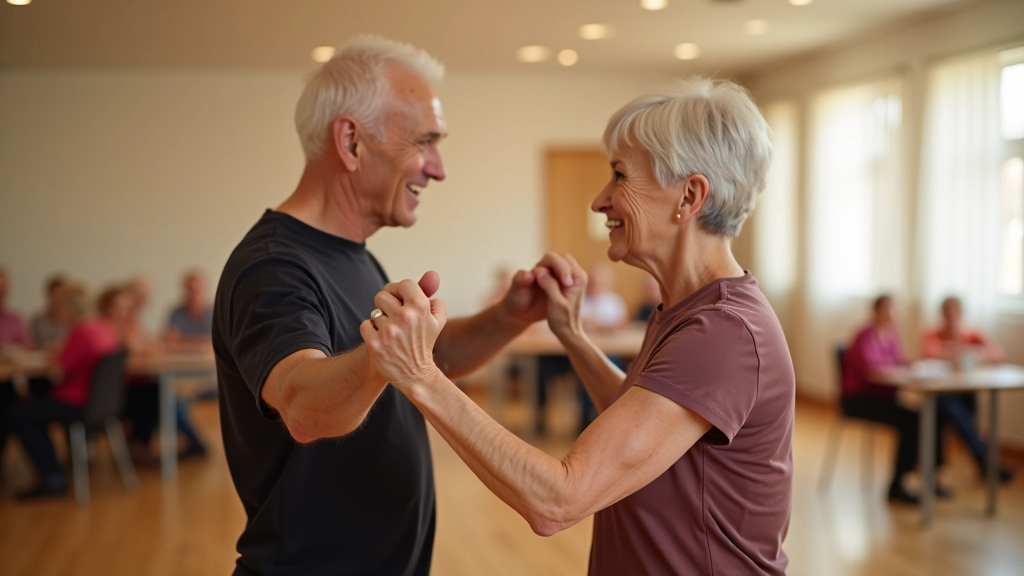
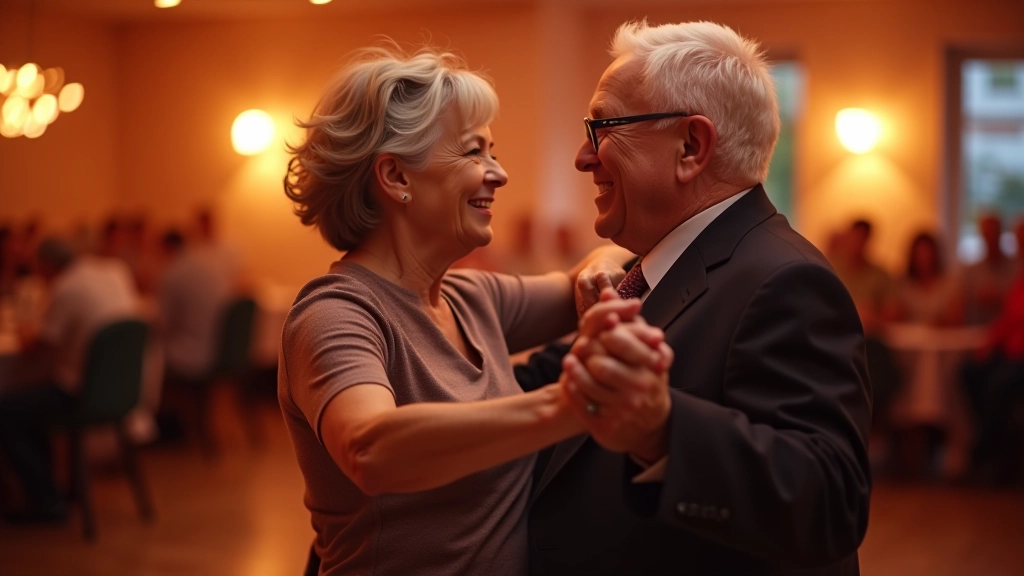
Second is frame — how you hold your partner and yourself. Good frame means your partner can feel your movement without you having to tell them. It's not a death grip; it's more like a connected conversation. You're suggesting movement, they're responding to it.
Third is musicality. You're dancing to the rhythm, hitting accents, and understanding the music's structure. This develops naturally as you dance more songs. Don't rush this part.
Practical Tips to Get Started
Invest in Dance Shoes
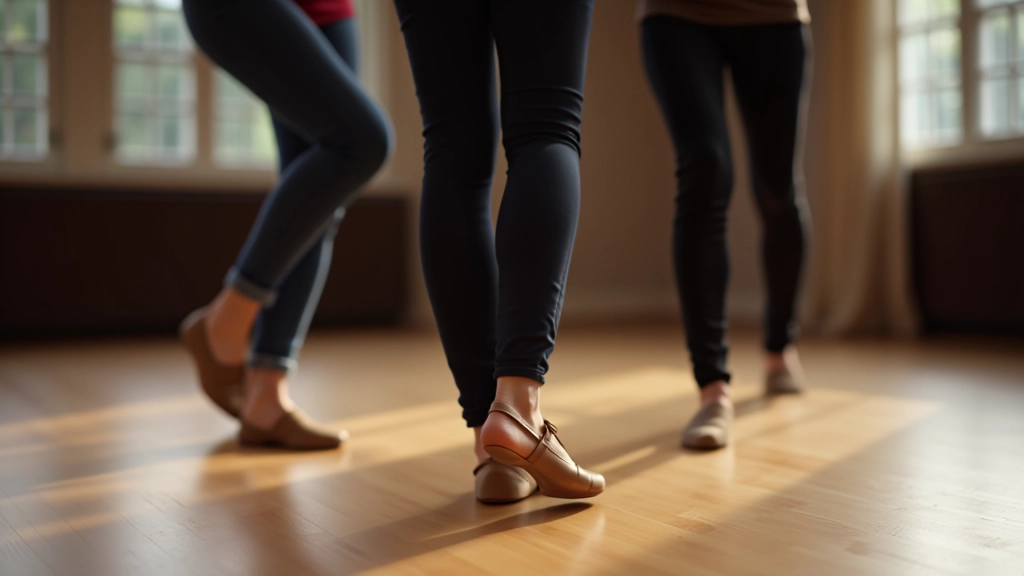
You don't need expensive ones. A basic pair of leather-soled dance shoes (under €30) makes a huge difference in how you move. They let your feet glide instead of stick to the floor.
Commit to Regular Classes
Two sessions a week for eight weeks is better than sporadic attendance. Consistency builds muscle memory. You'll see real progress if you show up regularly.
Listen to Dance Music
Put on bachata or waltz playlists while you're home. You'll start hearing the rhythm patterns. Your body will begin anticipating beats before you even step on the dance floor.
Build a Real Partnership
Go for coffee with your partner. Chat before class. You don't need to be best friends, but comfort with each other makes learning easier.
Watch Yourself Dance
Your instructor might film short clips. Watching yourself is uncomfortable but incredibly useful. You'll notice things you can't feel while dancing.
Don't Take Mistakes Personally
You'll miss steps. Your partner will. The music will trip you up. That's learning. Every dancer you see who looks smooth started exactly where you are.
Making It Social
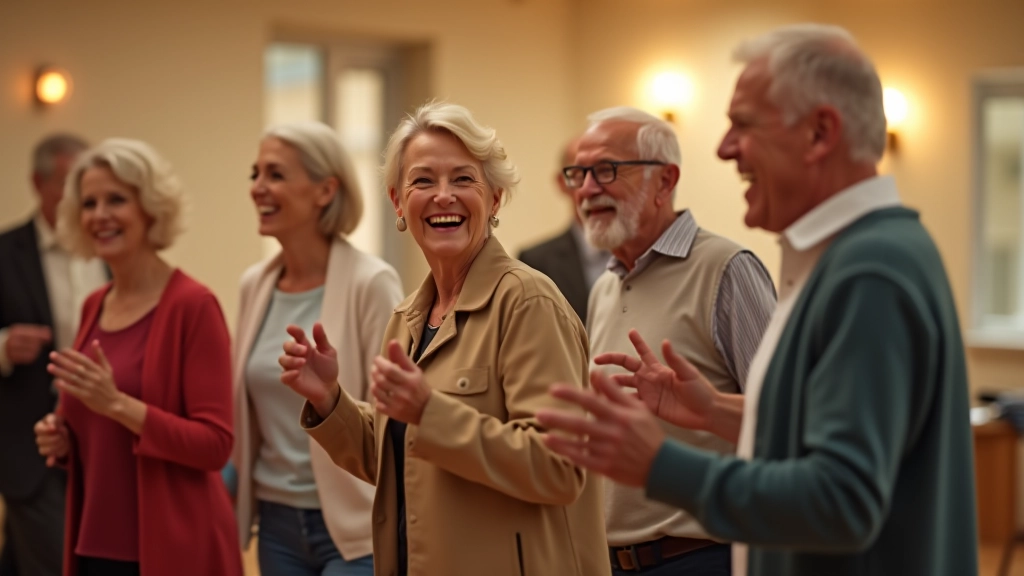
One of the best parts about partner dancing at 50+ is the community. After class, people often grab tea or head to a local dance event. You'll meet others on the same journey as you. Friendships happen naturally when you're learning something together.
Many community centres in Latvia host "dance socials" — informal evenings where people dance to live music or DJ sets. These aren't performances. They're just people dancing for fun. After eight weeks of classes, you might try one. It's exhilarating and terrifying in equal measure, but people are incredibly welcoming.

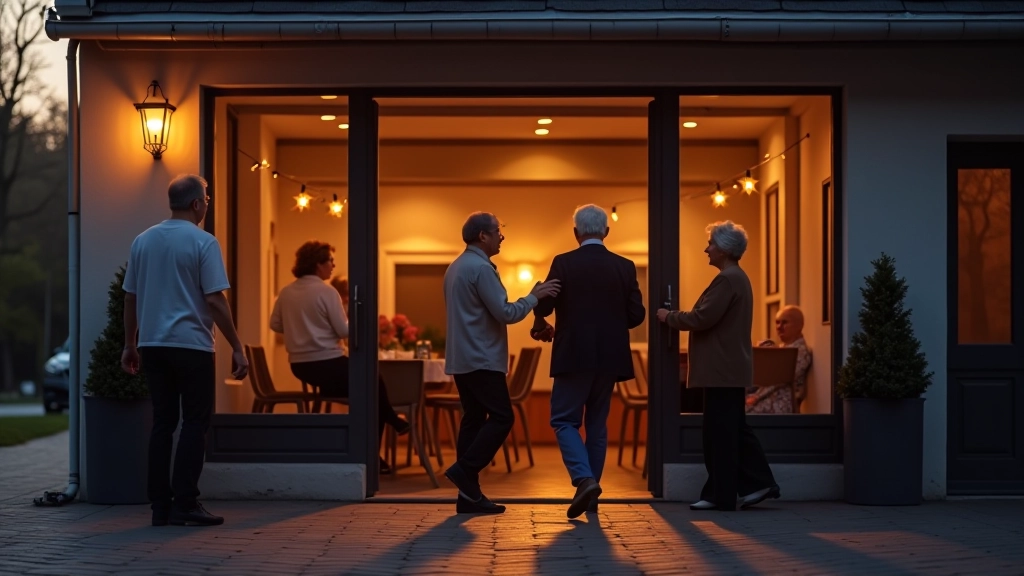
Your First Steps Start Now
Starting partner dancing at 50+ isn't about becoming a professional dancer. It's about adding something joyful to your life. You'll move your body, meet interesting people, and prove to yourself that learning new things at any age is absolutely possible.
Find a beginner class near you in Rīga, Daugavpils, or another Latvian city. Look for a patient partner who's equally nervous. Show up for eight weeks. That's it. By then, you won't recognize yourself on the dance floor — and you'll be wondering why you didn't start sooner.
Ready to explore dance communities in your area?
Browse Dance Communities