
Dance as Fitness: Health Benefits for Active Seniors
Why dance is one of the best ways to stay fit after 50. Learn about cardiovascular benefits, balance improvement, and mental health gains.
Why Dance Matters for Your Health
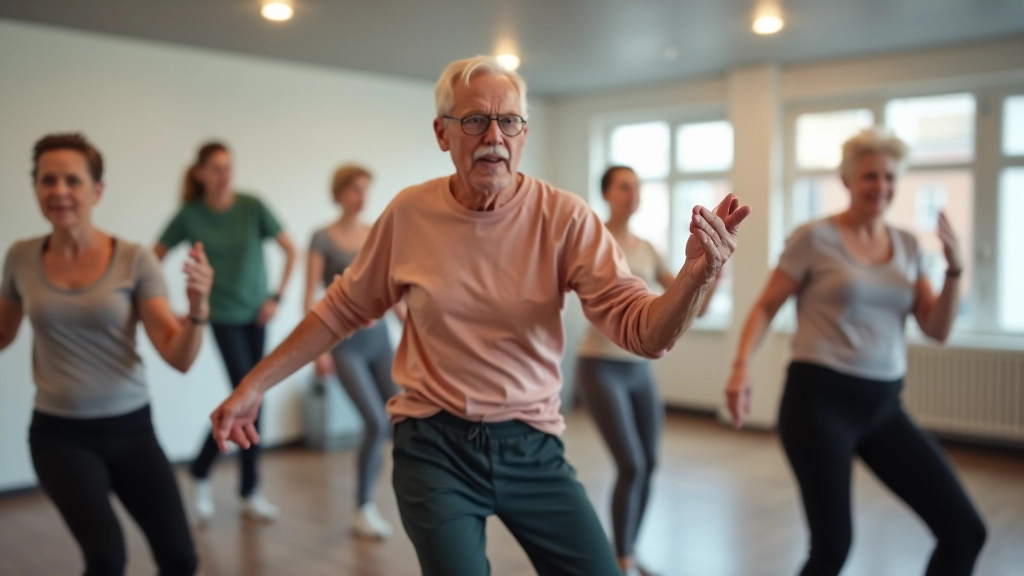
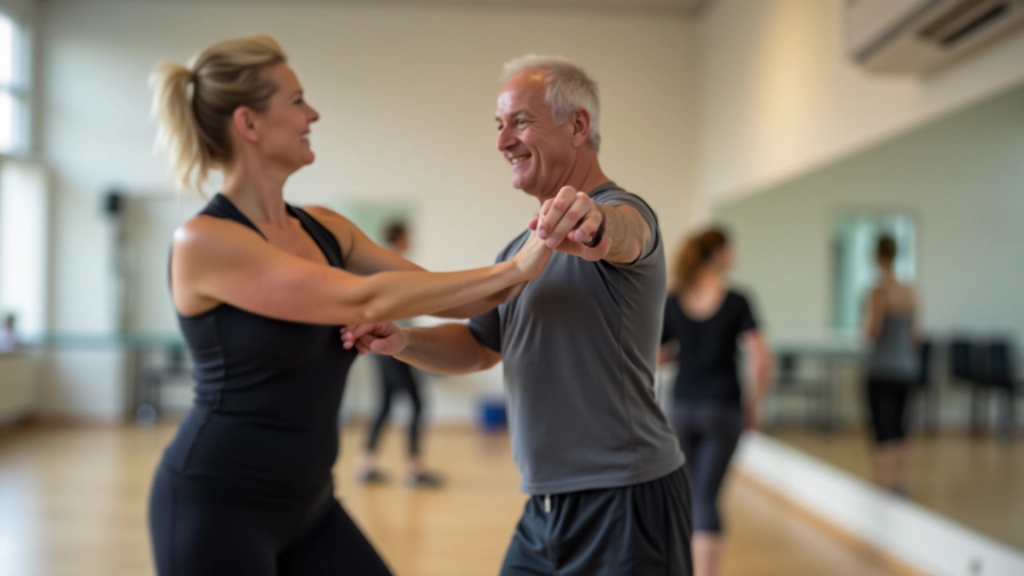
Dance isn't just about having fun — though that's definitely part of it. It's one of the most effective forms of exercise you can do after 50. We're talking about real, measurable benefits that'll change how you feel every single day.
Whether you're doing bachata, salsa, or just moving to the rhythm in your living room, your body's getting stronger. Your heart's pumping harder. Your balance is improving. And honestly? Your mood's getting better too. That's not just feel-good talk — it's what the research shows, and it's what thousands of dancers are experiencing right now.
The Physical Transformation
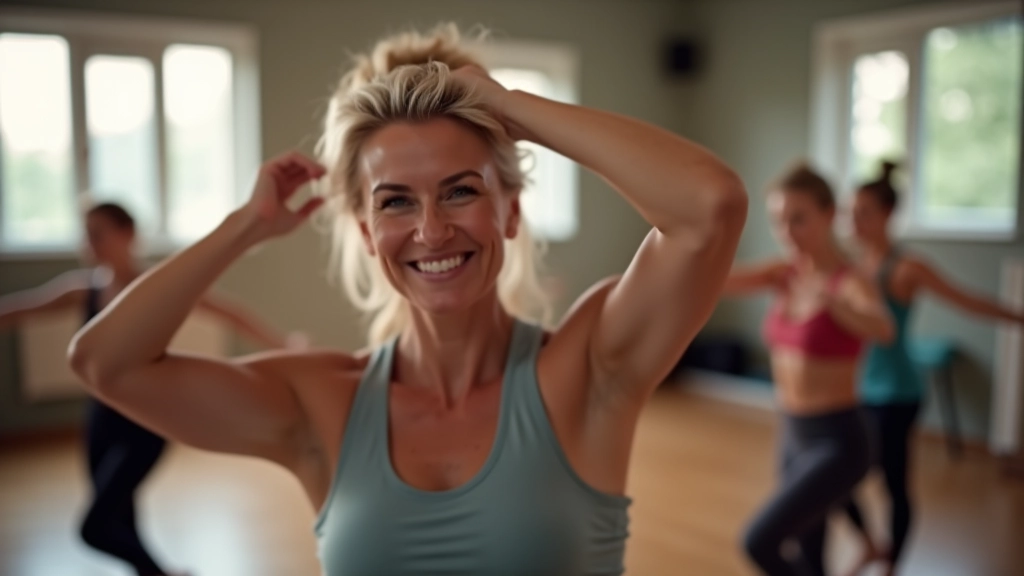
Let's start with what happens to your body. When you're dancing regularly — say, two to three sessions per week — your cardiovascular system kicks into high gear. Your heart becomes stronger. Your resting heart rate drops. You're burning 200-400 calories per session depending on the intensity and your body weight.
Key Physical Benefits
- Improved cardiovascular endurance and heart health
- Better balance and coordination (crucial for preventing falls)
- Stronger bones and improved bone density
- Enhanced flexibility and range of motion
- Increased muscle tone without heavy weights
Most people notice real changes within 6-8 weeks. Your clothes fit differently. You're not getting winded walking up stairs. Your legs feel stronger. And you're standing taller — that's improved posture from all that core engagement.
The Mental and Emotional Shift
Here's what often surprises people: the mental health benefits rival the physical ones. Dance activates your brain in unique ways. You're learning patterns, remembering steps, responding to music and your partner. That's cognitive stimulation right there.
But it goes deeper. When you're dancing, your body releases endorphins — real neurochemicals that make you feel happier. Anxiety drops. Sleep improves. And there's something about moving to music that just settles the nervous system.
Mental Health Gains
- Reduced anxiety and depression symptoms
- Improved memory and cognitive function
- Better sleep quality and deeper rest
- Increased confidence and self-esteem
- Strong sense of community and belonging
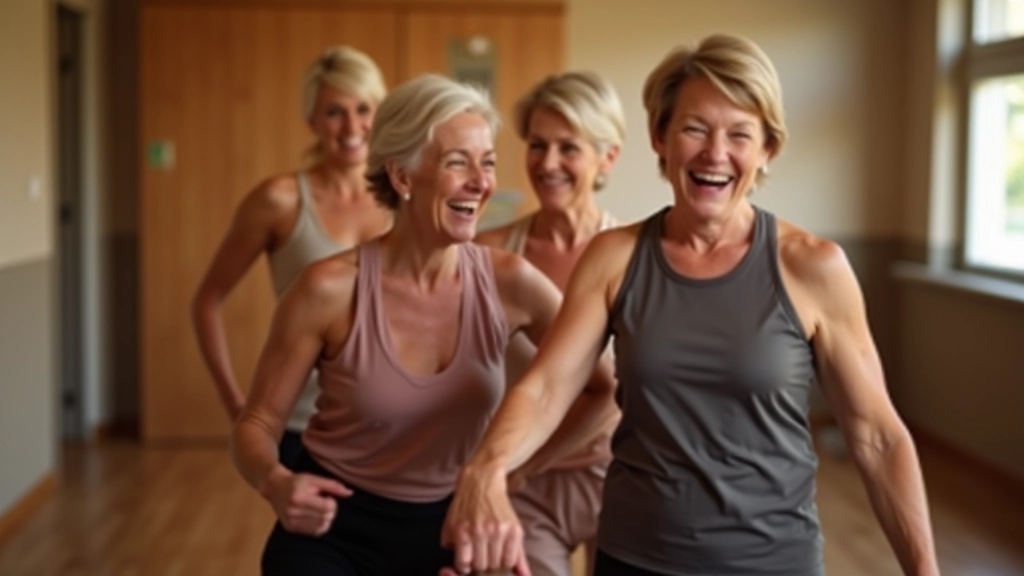
Plus, you're doing this with other people. That social connection? That's medicine. You're building friendships. You're laughing. You're part of something bigger than yourself. That matters more than people realize.
Getting Started: What Actually Works
You don't need to be coordinated. You don't need a partner right away. You don't need perfect knees or a perfect anything. What you need is willingness to try and consistency.
Find a Class That Fits
Look for beginner-friendly classes at community centres. Many places in Latvia offer sessions specifically for seniors. You want an instructor who understands bodies at this stage of life and won't push you beyond what's safe.
Start Twice a Week
Consistency beats intensity. Two 90-minute sessions per week is better than one intense weekend session. Your body adapts faster, and you'll actually remember what you learned.
Wear the Right Shoes
This matters more than you'd think. You need shoes with support but enough flexibility to move your foot. Dance shoes or smooth-soled athletic shoes work. Avoid stiff hiking boots or shoes with grips that'll catch the floor.
Listen to Your Body
There's a difference between "this is hard work" and "this hurts." Push yourself on the first one. Stop immediately on the second. A good instructor will help you modify moves to fit your body.
Important Note
This article is for informational purposes about the general benefits of dance as physical activity. It's not medical advice. If you have existing health conditions, joint problems, or haven't exercised regularly, talk to your doctor before starting any new fitness routine. A qualified instructor can help you modify movements to work with your body's needs. Everyone's different — what works for one person might need adjusting for another.
Your Next Step
Dance isn't a luxury activity for young people. It's one of the most effective, enjoyable ways to stay healthy, strong, and connected after 50. Your body's ready for it. Your mind will thank you for it. And you'll probably make some great friends along the way.
The best time to start was years ago. The second best time is right now. Find a class near you this week. Show up. And give yourself permission to be a beginner. That's where everyone starts — and that's exactly where the magic begins.